The Case for Tokyo Disney: How Two Adults Do It in Two Days
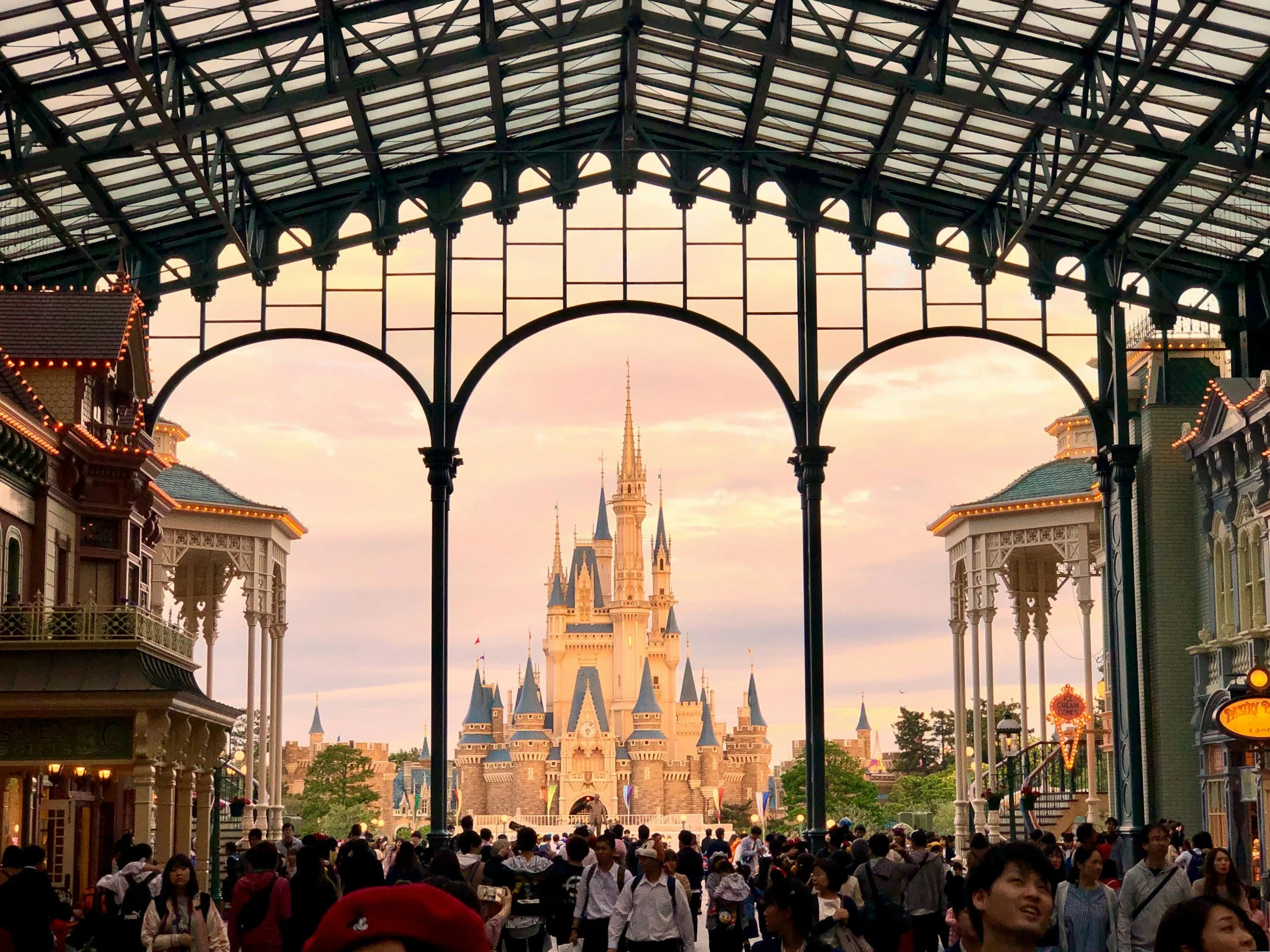
Let me just start by saying the thing that people who love Tokyo Disney are always a little too eager to tell you: it is the best Disney on earth. Every Disney enthusiast, every travel writer, every YouTuber who has ever done the pilgrimage… they’re all saying the same thing and honestly? They’re not wrong.
But there’s another little fun fact about Tokyo Disney that doesn’t get talked about nearly enough: it may also be the most adult Disney.
Not adult in a “wink wink” way. Adult in a “somehow every other person at DisneySea appears to be part of a couple in coordinated outfits eating a gyoza dog” way. Adult in a “the design work is so obsessively good you might actually stop mid-park to stare at a lamppost” way.
If you have ever felt even slightly weird about Disney as a couples trip, Tokyo is where that feeling dies.
Two days. One park per day. Here’s how I’d do it.
First, why Tokyo Disney is the enthusiast park
The reputation is earned.
Tokyo DisneySea in particular feels unusually calibrated to adults. Not adult-themed, just adult-friendly in a way that is hard to explain until you look at the actual design vocabulary: Italian ports, ancient civilizations, deep-sea exploration, Prohibition-era New York. There’s an actual working volcano, for crying out loud.
And the landscape!? My GOODNESS. The whole park looks like it was designed by people who woke up every day and asked, how do we make this more beautiful? and then answered themselves in a language nobody else speaks. It’s unreal.
Then there’s Tokyo Disneyland, DisneySea’s sister park. It reads closer to Magic Kingdom in Orlando, but the actual experience feels distinctly Japanese. The differences are often in the small things: the orderliness, the attention paid to presentation, how seriously guests take parades and seasonal entertainment, the coordinated outfits, the food, the merchandise culture. You still know you’re at Disneyland. It just doesn’t feel like you’ve been dropped into another American park with different signage.
It’s 10s all around and I’m not just saying that.
A few things both parks have going for them:
The atmosphere is different. Tokyo Disney gets plenty of families, obviously, but couples and adult friend groups are very much part of the culture too. So if your biggest hesitation is feeling like you’ll be the weird adults at a children’s park, release yourself from that immediately.
The food is actually good. Not just good-for-a-theme-park. Like, good-good. You can move from curry and Japanese dishes to full table-service meals and wine pairings without ever leaving the resort.
The souvenir game is unhinged. Merchandise changes constantly, seasonal drops are serious business and even something as basic as popcorn gets procured at alarming rates. To be fair, Tokyo Disney treats popcorn like its own food group, complete with rotating flavors and collectible buckets. People buy those buckets like they’re Birkins.
You do not need to speak Japanese to make this work. Of course many attractions and entertainment offerings are primarily in Japanese. You are in Japan. But major signage includes English, menus are visual and the Tokyo Disney Resort app does a lot of the logistical heavy lifting. Google Translate remains one of the greatest inventions of our time. You’ll be fine.
Day One: Tokyo DisneySea
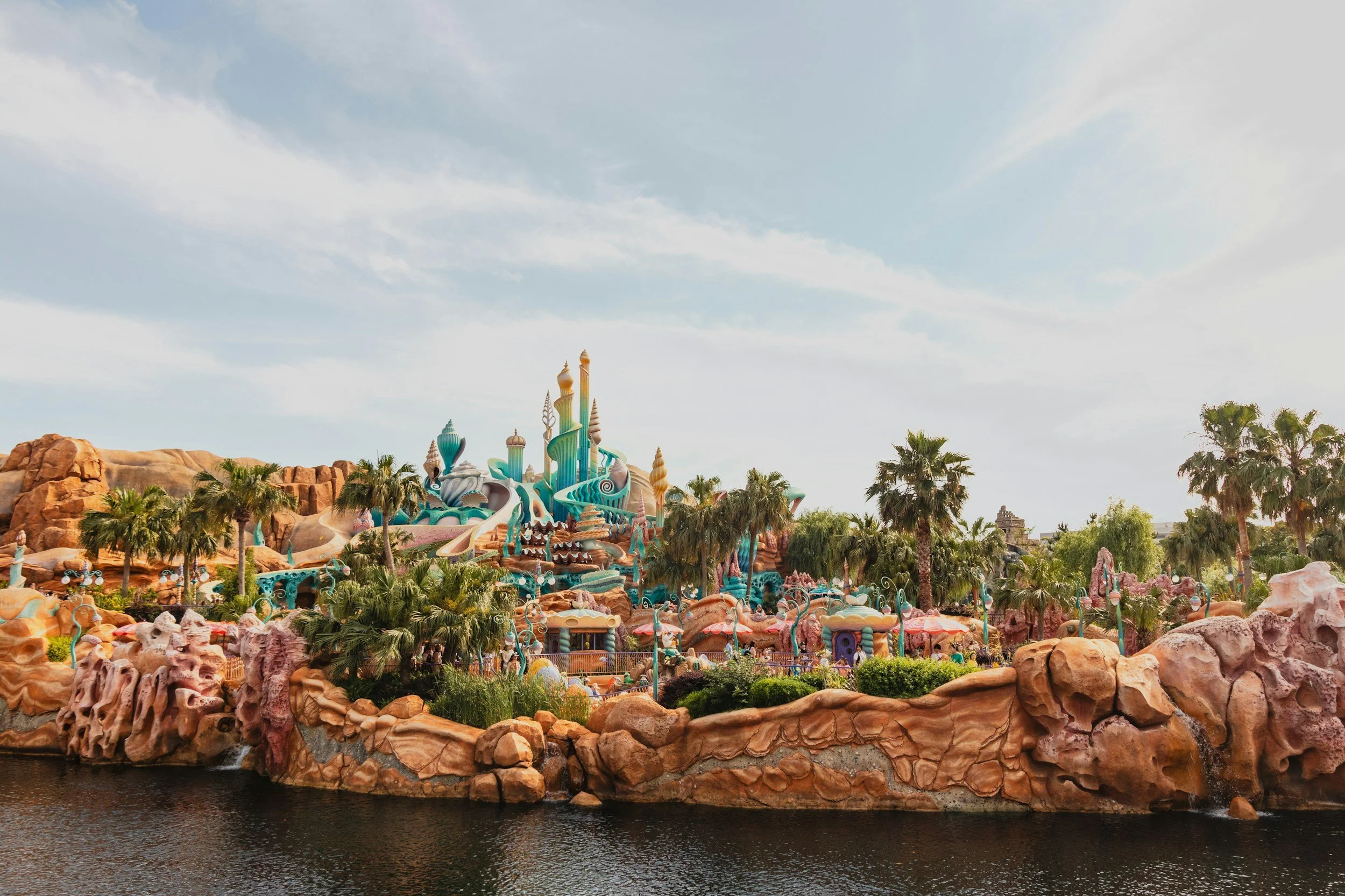
Start here. This is the park that will convert you.
DisneySea is organized into eight themed “ports of call,” now including Fantasy Springs, and the transitions between them are part of the appeal. You don’t just walk from attraction to attraction. You move from Mediterranean Harbor into a volcanic crater, through an American waterfront, into Arabian Coast, and somehow none of it feels ridiculous.
What you prioritize
Journey to the Center of the Earth is one of the park signatures and absolutely belongs on the list.
Tower of Terror gets bonus points because Tokyo has its own storyline built around Harrison Hightower III, so even if you’ve ridden versions elsewhere, this one isn’t a copy-paste.
Soaring: Fantastic Flight is Tokyo’s take on Soarin’, but with an elaborate pre-show and its own mythology.
And then there’s Fantasy Springs, the newest port, which opened in 2024 with areas inspired by Frozen, Tangled and Peter Pan.
For a couples trip, Rapunzel’s Lantern Festival is an obvious yes. It’s a slow boat ride through Rapunzel and Flynn’s story, culminating in the lantern festival. If that scene does absolutely nothing to you emotionally, we cannot help you.
The good news is that Fantasy Springs no longer requires the special entry system it used around opening. You can enter the land normally and join standby queues for its attractions, or purchase Disney Premier Access for select rides if saving time is worth the extra cost.
And this is where I’d make the first real adult-trip distinction: you are not trying to complete DisneySea. That is not the assignment. Pick the attractions that are meaningfully different from what you can experience at the U.S. parks, pay to skip a line or two when the value makes sense, and leave yourself enough time to actually enjoy the place. Because DisneySea is one of those parks where racing past everything beautiful so you can check off another ride feels particularly criminal.
What you eat
For dinner, Magellan’s is the obvious grown-up move.
It sits inside the Fortress Explorations area and leans fully into the Age of Exploration theme, with full courses and a serious wine program rather than the usual “grab something and keep moving” theme-park energy. Current menus even include sommelier-selected wine pairings.
This is where I would deliberately stop. Sit down. Order the wine. Let dinner take a minute. That is part of doing Disney as adults too.
For the rest of the day, this is not the place to overplan every bite. Find the gyoza dog. Try the popcorn. Grab whatever seasonal snack has people lined up halfway across the port. Tokyo Disney food culture is part of the experience.
Where you slow down
If you want a real reset, BellaVista Lounge at Hotel MiraCosta is exactly the type of thing I mean when I say Tokyo Disney works differently as an adult trip. The lounge overlooks Mediterranean Harbor and serves full lunch and dinner courses, wine and cocktails. Depending on timing, you may even catch harbor entertainment from inside. Leave the park energy for a minute. Have a drink. Look out at DisneySea. Then go back in.
That little rhythm is going to be everything.
Day Two: Tokyo Disneyland
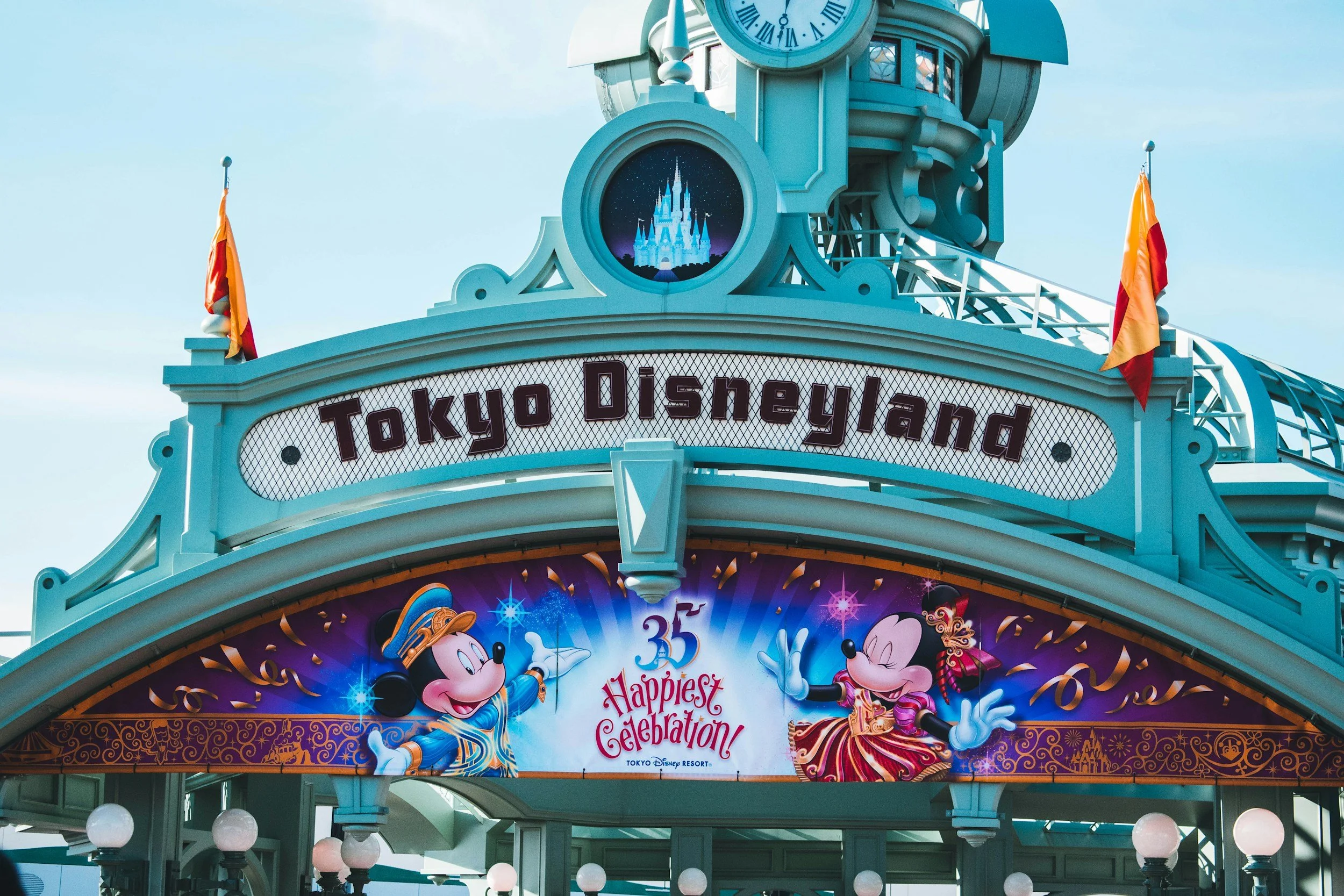
Different pace, different energy, still excellent. Disneyland is where you lean a little more into nostalgia and the distinctly Tokyo versions of familiar Disney experiences.
What you prioritize
Pooh’s Hunny Hunt is one of the big enthusiast draws. It helped establish Disney’s trackless dark-ride technology long before trackless became the default “look what Imagineering can do” flex.
Ride it.
Enchanted Tale of Beauty and the Beast is another priority, particularly for a couples trip. The attraction is beautiful, technically impressive and built around one of Disney’s most romantic stories.
Big Thunder Mountain is worth doing if you like comparing park versions.
And yes: Splash Mountain is still alive and well in Tokyo. As of now, Tokyo Disneyland is the remaining Disney park where you can still ride the original Splash Mountain attraction, which has turned it into a bit of a nostalgia pilgrimage of its own.
Then stop thinking only about rides. Tokyo takes its parades and entertainment seriously. Build at least one major show or parade into the day rather than treating it as background noise while you sprint toward another queue. Tokyo does parades the way Paris does perfume. Not as filler. As a headline act.
What you eat
I’d choose between two very different moods.
Blue Bayou is the romantic one. It sits along Pirates of the Caribbean in that permanently twilight, fireflies-on-the-bayou setting and currently serves French- and Creole-inspired dishes with wine and cocktails.
Or lean into the fact that you are, in fact, in Japan and book Restaurant Hokusai, which serves Japanese cuisine inside World Bazaar. Current menus run from tempura and chirashi to more elaborate seasonal sets.
Honestly, I like the latter because you didn’t fly all the way to Tokyo just to recreate Anaheim meal for meal. And one correction to an old piece of Tokyo Disney lore: Tokyo Disneyland does serve alcohol now. Beer, wine and cocktails are available at multiple restaurants, including Blue Bayou and Center Street Coffeehouse. So no, you do not need to flee the park to Ginza just because you want a glass of wine with dinner. That said… a proper cocktail in Tokyo after park close is never a bad idea.
The three Disney hotels I’d actually put in front of couples
Tokyo Disney Resort has more than three Disney hotels. But for this particular trip? These are the three I care about.
Tokyo Disneyland Hotel
This is the grand Victorian one directly outside Disneyland. It’s elegant, extremely convenient and the easiest recommendation for couples who want the classic Disney-hotel experience without overthinking it. Safe choice but still a good choice.
Tokyo DisneySea Hotel MiraCosta
This is the one people obsess over. MiraCosta is physically integrated into Tokyo DisneySea, so the biggest selling point is exactly what you’d imagine: staying immersed in the park even after you leave it. Certain rooms look directly into Mediterranean Harbor.
One current caveat: MiraCosta is undergoing intermittent guest-room refurbishment from August 19, 2026 through July 20, 2027. The hotel is still operating, but certain room categories will periodically be unavailable and guests may encounter construction noise or other disruption. I wouldn’t automatically rule it out. I’d just be very intentional about room category, dates and expectations.
Tokyo DisneySea Fantasy Springs Hotel
And then there’s the new kid on the block. Fantasy Springs Hotel opened alongside the new port and has two distinct sections: Fantasy Chateau, positioned as the deluxe side, and Grand Chateau, the resort’s luxury tier.
Grand Chateau is the one that gets particularly interesting for couples who want the splurge. It includes a more personalized service model and, currently, attraction tickets built into the stay that can substantially change how you navigate the parks.
It is very much a “we came all this way, let’s do this properly” hotel. And depending on budget, I might point a couple here before MiraCosta anyway.
One reason staying Disney-owned can actually matter
Normally I am not going to tell you to pay a hotel premium just because Mickey’s face is nearby. There needs to be a reason. At Tokyo Disney, Happy Entry is one of them.
Eligible Disney hotel guests can enter certain parks before general admission, with access depending on the hotel and date. Once inside, you can begin purchasing Premier Access and handling other app-based reservations before the general crowd enters. That may sound like a tiny benefit. At a park where popular paid-access inventory and reservations can matter? It is not nothing.
Room-only Disney hotel reservations currently open four months before your stay, and this is absolutely a destination where I’d rather have the hotel strategy figured out before the booking window arrives than improvise after everything good disappears.
Which, coincidentally, is exactly the kind of nonsense I enjoy managing.
IYKYK.
The two ways I’d build this trip
Option A: Make Tokyo Disney the destination
Fly into Tokyo, stay at the resort for three or four nights, give yourself an arrival/recovery day, spend one full day in each park and go home. For an enthusiast couple, that is a legitimate vacation. The Disney-hotel pricing can get very real, particularly once you start looking at the top room categories, but so can the experience.
Option B: Add it to a larger Japan trip
This is what I’d recommend to most first-time visitors. Do Tokyo proper first. Give yourself several nights for neighborhoods like Ginza, Shibuya, Asakusa and whatever else makes sense for you. Add Hakone, Kyoto or the broader Golden Route if you’re building a longer Japan itinerary.
Then move out to Tokyo Disney Resort for two nights and finish with one park per day. And this is actually why I like Disney at the end. By that point, you’ve probably been navigating trains, reservations, neighborhoods and full sightseeing days for a week. Now somebody else has designed the world for you, you literally just show up.
You get up. Go into the park. Follow the app. Eat something cute. Ride something delightful. Have a glass of wine. That’s it.
The reconnection thesis, Tokyo edition
Tokyo Disney makes a particularly strong case for couples because it gives you permission to be unserious together for a minute. You notice things. You wander. You split snacks you absolutely did not need.
One of you inevitably becomes emotionally invested in some piece of merchandise you had never heard of six hours earlier. You spend two days in a place built around tiny moments of delight and, for once, your job is basically just to enjoy them together.
That is the point.
If you’re already planning Japan and keep talking yourself out of the Disney days because they feel indulgent or somehow “less legitimate” than another temple, neighborhood or museum, put them back. And if Tokyo Disney is the thing that finally gets Japan onto your list in the first place? Also valid.
If you want help figuring out which hotel makes sense, which park systems are worth paying for and how to fold Tokyo Disney into a larger Japan itinerary without the trip feeling like one long theme-park vacation, let me know.
That’s the kind of thing I do. Happily. Likewise, if you know exactly where you want to stay and how you want to do it, I’m here for that too!
Work with Me.
