What Shoulder Season Actually Saves You: Real Numbers by Destination
Every travel advisor tells you to "consider shoulder season" the same way every financial advisor tells you to "live below your means." It's true, it's universally good advice, and it's almost completely unhelpful as stated.
So here's the version with actual numbers attached. Six destinations couples ask me about most often, with real pricing for peak vs. shoulder, what you give up, and what you get back. If you're trying to plan a trip in 2026 and the airfare numbers have you reconsidering everything, this is the post you actually need.
A note before we dive in: shoulder season pricing is genuinely volatile right now because of the broader fuel situation. Also, several of these destinations have seen their traditional shoulder windows quietly turn into peak. The percentages and ranges below reflect typical 2026 spreads. Specific dollar amounts are dynamic and move week to week. The point isn't to lock in a number, it's to show you that the gap between "the dates everyone wants" and "the dates that work just as well" is bigger than most travelers realize.

Bora Bora
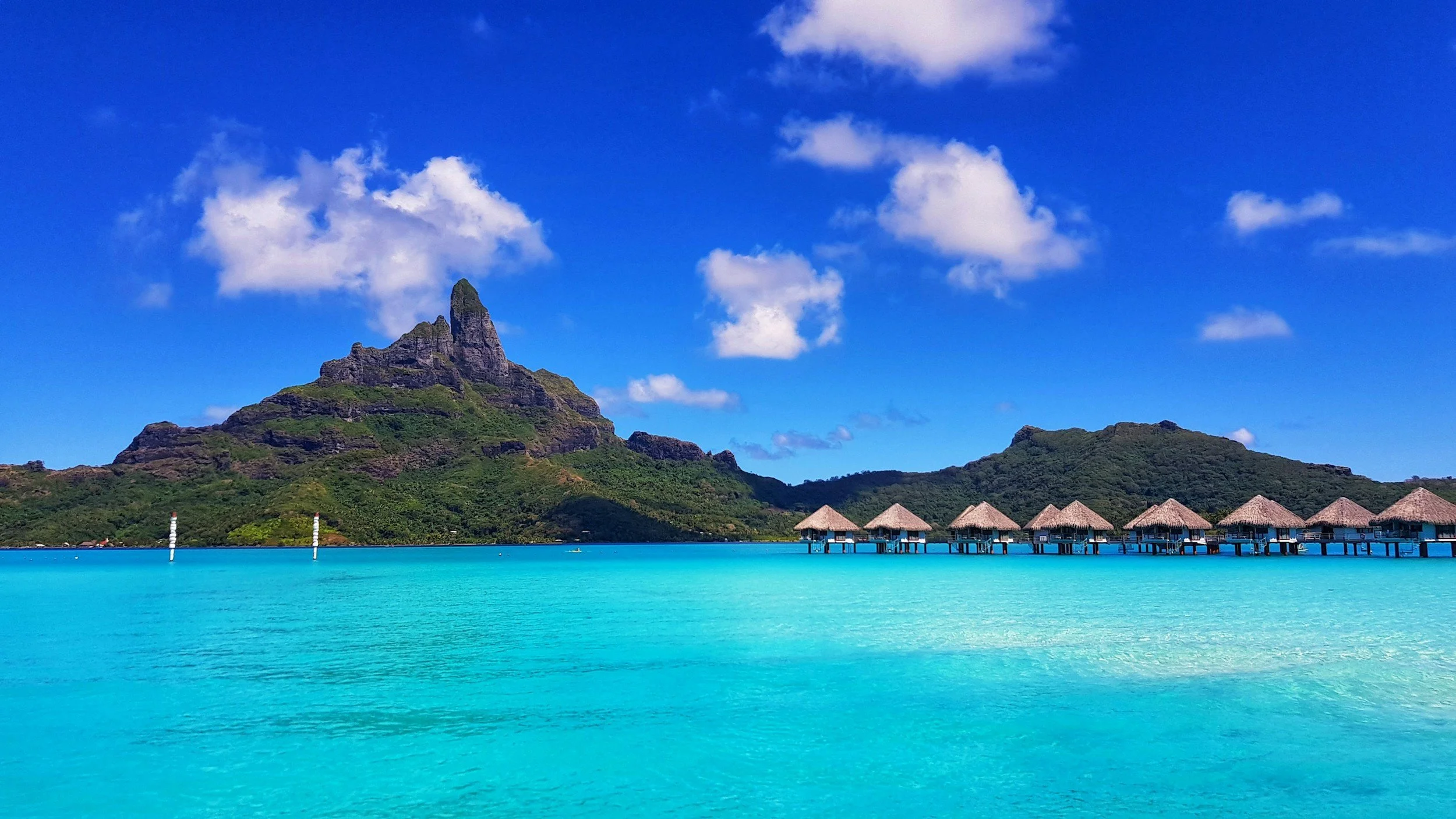
Peak (high season, dry months): May through October.
Shoulder: April and November (transition weeks between the dry and wet seasons).
Low season (wet): December through March.
The math.
A 7-night honeymoon at the Four Seasons Bora Bora in an overwater bungalow runs roughly $14,000–$22,000 per couple in peak (excluding flights). The same property, same room category, in April or November runs roughly $9,000–$13,500. February is truly the cheapest month of the year, with rates dropping further still — but you're betting against the wet season.
The Conrad Bora Bora Nui sits at a similar tier with slightly different math: roughly $14,000–$20,000 in peak; $8,000–$13,000 in shoulder. Both properties offer the overwater experience that makes Bora Bora Bora Bora. The choice between them is about aesthetic (Four Seasons is classic French Polynesian luxe; Conrad is sleeker and more contemporary), not value.
Air Tahiti Nui flights from LAX to Papeete also climb in peak. A round-trip economy fare runs about $1,400–$1,700 in shoulder, $1,900–$2,400 in peak. Premium economy roughly doubles those numbers; business class triples them.
What you give up.
Slightly less reliable weather in April and November. The transition months can deliver afternoon rain that you'd rarely see in July. Water temperatures dip a few degrees. None of this is deal-breaking; most days remain gorgeous.
What you keep.
All of the privacy, all of the room product, all of the food, all of the magic. The Bora Bora experience in April is the same Bora Bora as the Bora Bora in October, just $5,000 lighter. Same overwater bungalow, same lagoon, just with more affordable everything and noticeably fewer guests at the resort.
Cancún & Quintana Roo
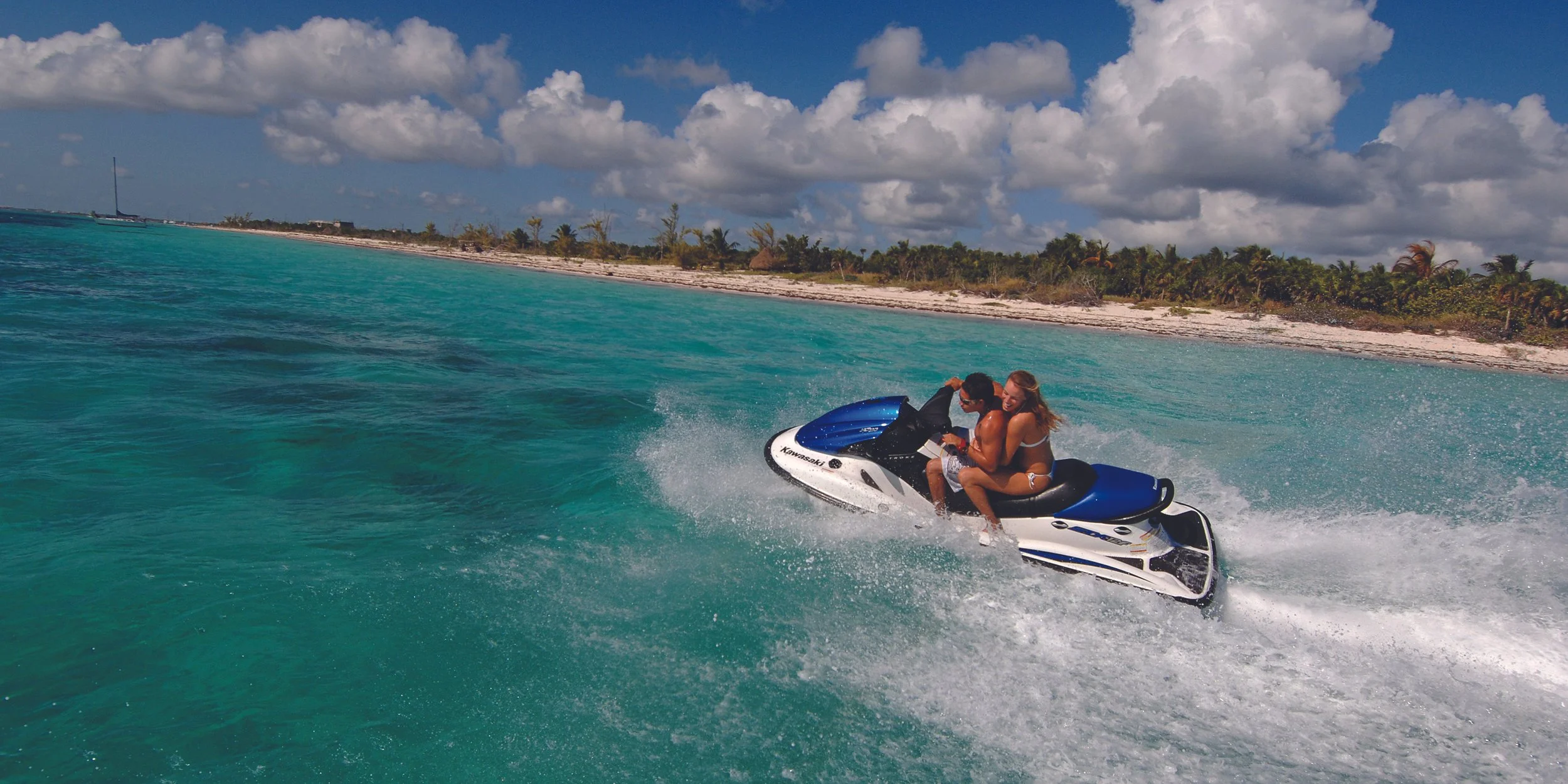
Peak: Mid-December through April. (Christmas, New Year, and Easter weeks are the absolute top of the market.)
Shoulder: Late April through early June. Late September through early November.
Avoid: Mid-September through mid-October — peak Atlantic hurricane risk.
Mexico's seasons work in your favor in a way Bora Bora's don't: the off-peak isn't a weather disaster, it's just hot. If you can tolerate the heat, the math is some of the best in the luxury couples-travel category.
The math. A 7-night stay at Atelier Playa Mujeres (adults-only, all-inclusive, Forbes-recognized for dining) runs $5,500–$8,500 per couple in peak. The same week in late April or early May runs $3,800–$5,500. Atelier has been running aggressive shoulder-window promotions — currently up to 40% off for travel January-June with the right rate plan, plus a $100 resort credit on stays of 4 nights or more. That's a real spread on what's already an accessible-luxury price point.
Move up to Maroma, A Belmond Hotel, and the math gets even more interesting. Peak Maroma runs $1,800–$2,400 a night per couple. Shoulder Maroma runs $1,100–$1,500. Across a 7-night honeymoon, that's a $5,000–$6,000 difference for the same property — and Maroma is one of the more visually arresting hotels on the Riviera Maya. Worth knowing if you're tier-flexible.
Flights to Cancún are less seasonal than the rest of this list because volume stays high year-round, but expect roughly 15-20% lower fares in shoulder months from major US hubs.
What you give up. Real heat. May in Tulum is HOT, like, hotter than the devil’s armpits hot. We’re talking 90°F+ during the day, with humidity building toward summer. Late September and early November are pleasant but carry residual hurricane awareness (most threats are September; November is statistically much safer).
What you keep. The cenotes, the food scene, the beaches, the ruins. Riviera Maya doesn't have a "bad" version of itself in shoulder, its just a hotter version. If you can handle heat, the math is unambiguous.
Italy (Amalfi & Florence)
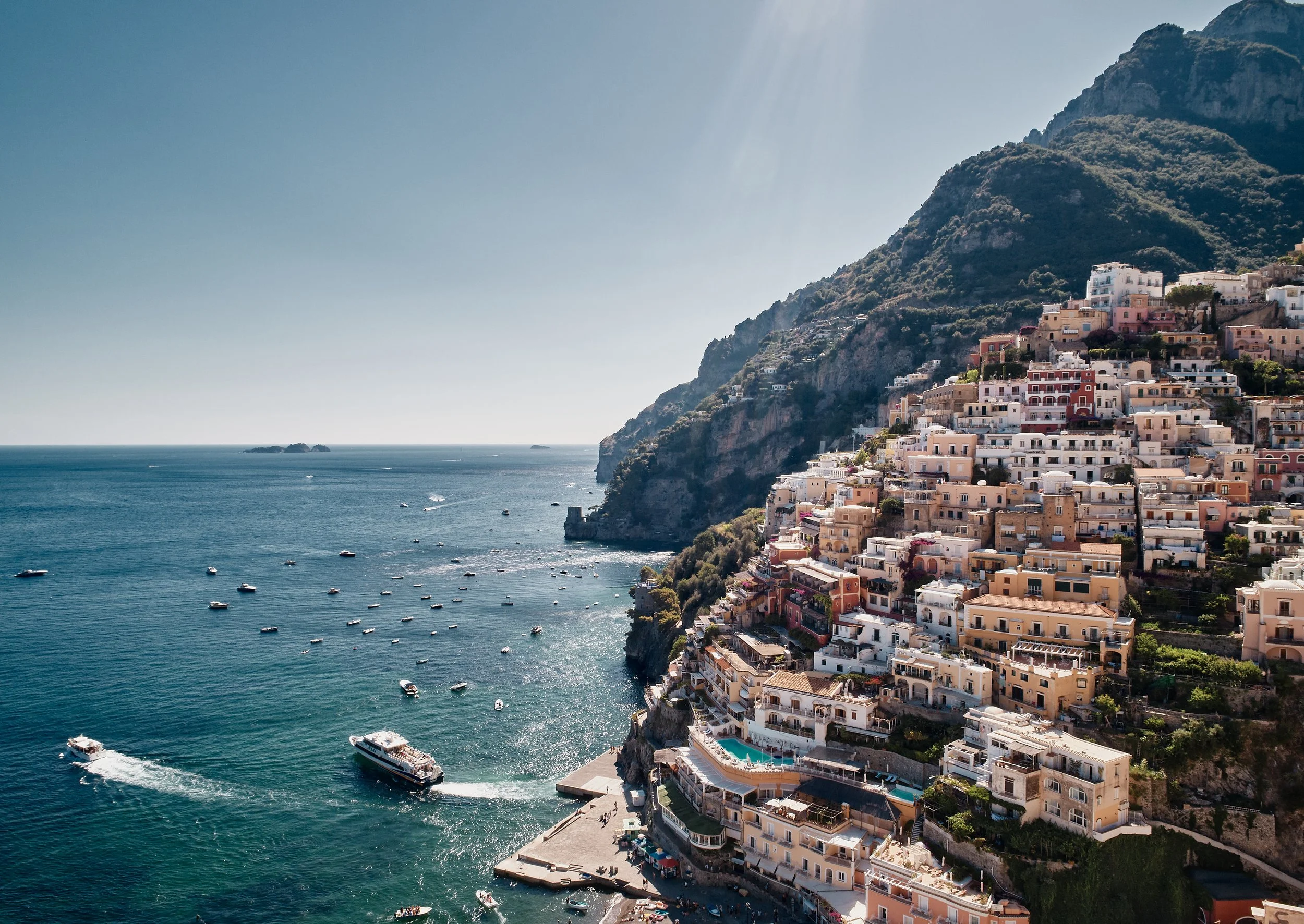
This is the destination where the conventional shoulder-season wisdom has quietly broken down, and most travelers don't know it yet. Insider tip, unlocked!
Peak (highest demand AND highest prices): May, June, September. (Yes, the "shoulder months" of three years ago.)
Secondary peak: July and August, still expensive but actually less crowded than May/June/September.
True shoulder: Late October and early April (right at season open and close).
Off-season: November through March (most Amalfi properties close November through Easter).
The shift is real and well-documented: 59% of US bookings to Italy for 2026 are landing in May, June, and September. October bookings have nearly doubled year-over-year. The "avoid summer crowds by going in May" arbitrage worked beautifully in 2019. In 2026, May is the crowd. Peak summer is basically the new shoulder season for the travelers who actually like crowds; the real value is at the edges.
The math.
A 7-night Amalfi honeymoon at Le Sirenuse in Positano runs $14,000–$22,000 per couple in peak (depending on room category). Late October or early April at the same property runs $9,000–$13,500. That's a 30-35% spread, and the Le Sirenuse experience is functionally identical, the property closes in November, so true shoulder means timing your trip to the season's edges.
For the Florence half: Hotel Lungarno (Lungarno Collection, Ferragamo family ownership, riverside on the Oltrarno) runs roughly $7,000–$10,500 per couple for 7 nights in peak; $4,500–$7,000 in true shoulder. Florence is less seasonal than Amalfi and the hotels are open year-round, but peak demand still applies May/June/September.
Flights to Italy show the largest real-dollar swings on this list. Round-trip economy from the East Coast to Rome or Milan runs $700–$1,000 in shoulder, $1,400–$2,000 in peak summer (and right now, with the fuel situation, the peak premium is widening). Business class shoulder: $3,500–$5,000. Business class peak: $7,000–$10,000+.
What you give up. Beach swimming becomes weather-dependent in late October (most days fine; some days windy/cool). Some Amalfi restaurants and beach clubs close after mid-October. Late April still has cooler evenings.
What you keep. All of the food, all of the wine, all of the architecture, all of the romance. Late October in Italy is, frankly, better than July in most ways: fewer crowds at the major sites, gentler heat, harvest season for the vineyards. July Italy is hot, crowded, and increasingly priced like a luxury commodity. The late-October version is the connoisseur's version.
United Kingdom (London & the Cotswolds)
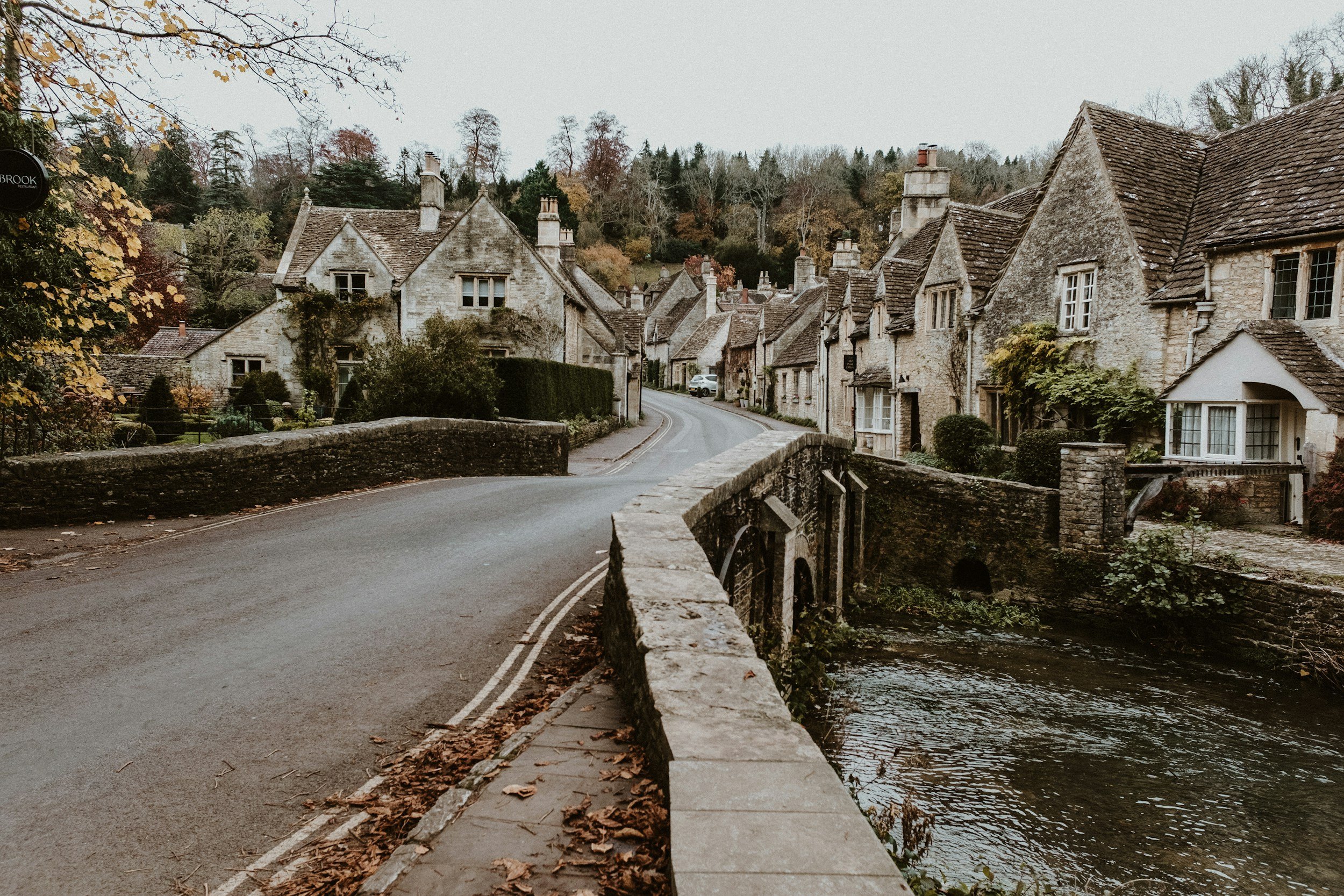
Peak: Mid-June through August. Late November through early January (Christmas markets and holiday demand).
Shoulder: April through May. September through mid-October.
Off-season: February through March (cold but functional; lowest hotel pricing of the year).
The UK is the destination on this list where the traditional shoulder logic still holds beautifully. May and September are actually better times to be in London and the Cotswolds than peak summer. It’s cooler, less crowded, more livable and the pricing rewards you for choosing them.
The math.
A 5-night London + 3-night Cotswolds trip at The Connaught and The Lygon Arms runs $14,000–$18,000 per couple in peak summer. The same trip in May or late September runs $9,500–$13,000. That's roughly a 30-35% spread.
UK flights are highly seasonal. Round-trip economy from East Coast US to London: $600–$900 in shoulder, $1,200–$1,800 in peak summer. The premium cabin spread is even more dramatic, peak business class to London is truly punishing right now ($6,000–$9,000 round-trip), while shoulder business class can sometimes be found for $3,500–$5,000.
What you give up. Long days. London in June has 16-17 hours of daylight; September has 12-13. Garden season is at its peak in June, more transitional in late September. Some country house hotels run their best outdoor programming (gardens, alfresco dining) in summer.
What you keep. What you keep: the food scene, the cultural calendar, the museums, the pubs. The Cotswolds in autumn, especially late September into early October, have a quality of light that's been written about for centuries for a reason. Take the May or September trip. Tell July it had a good run
Norway
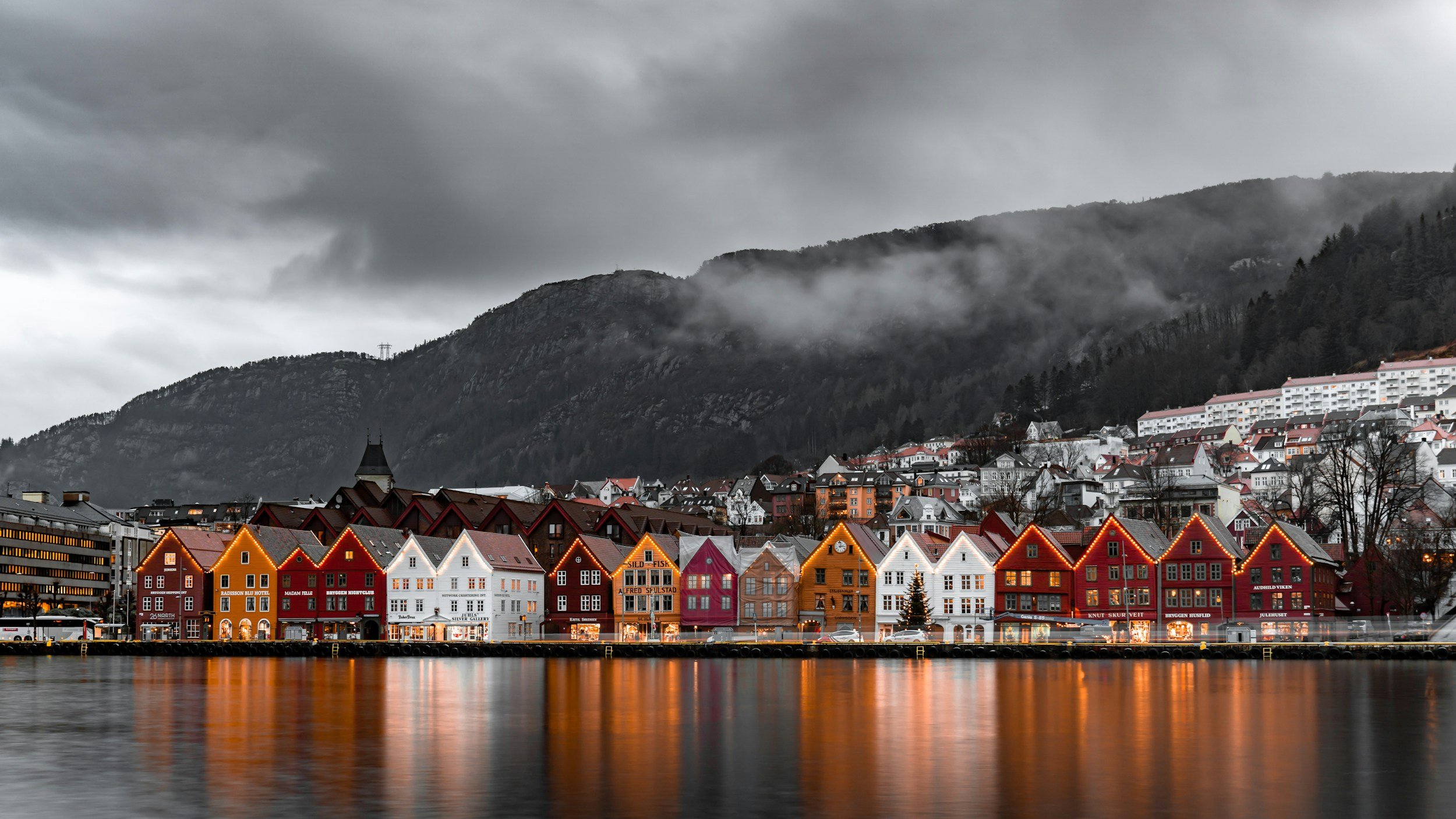
Norway is different because it has two peaks — and they almost don't overlap.
Summer peak: Mid-June through mid-August. Midnight sun, fjord cruising, hiking, longest days of the year.
Northern Lights peak: Late September through late March. February and March are statistically the most consistent for aurora viewing (long nights plus clearer skies than mid-winter). October is underrated as you get darker nights returning, strong activity, and prices that haven't yet climbed to mid-winter peak.
True shoulder: May, mid-August through mid-September, late November (between aurora season and Christmas markets).
Off: Most of April, early-to-mid November, the brief windows between Norway's two peak seasons.
The math.
A 7-night Norway trip combining Oslo, Bergen, and fjord excursions, staying at The Thief (Oslo's leading urban-luxury property, on the harbor in Tjuvholmen) and Skostredet (boutique design hotel in Bergen) runs $11,000–$14,000 per couple in summer peak. The same trip in May or mid-August/September runs $7,500–$10,000. That's another 30-35% spread.
For couples whose Norway trip is wellness-led rather than city/fjord-led, The Well Spa & Hotel just outside Oslo is Northern Europe's largest spa. It’s massive, at 10,500 m², with ten pools, fifteen saunas, adults-only. It's not a 7-night property; it's a 1-3 night couples escape, and that's the point. A two-night Signature Room package runs roughly $350-$450 per couple including breakfast and full spa access. Bolt it onto a Norway trip as the decompression bookend, or do a 3-night standalone wellness mini-moon for under $700 total, a genuine outlier in the luxury couples-travel category, where wellness retreats typically clear $2K+ per couple before treatments.
Norway flights from the US run $700–$1,100 in shoulder, $1,200–$1,700 in summer peak. Premium cabin spreads are wider, especially out of US East Coast hubs.
A note on Northern Lights timing: the prime aurora season (late September-March) is paradoxically NOT the most expensive time. The most expensive Norwegian hotel month is actually July. Late October through November is off-peak across most of the country and often delivers Northern Lights without the winter-peak pricing premium.
What you give up. In May or September shoulder, you trade peak summer light for shorter days. May still has long evenings (16+ hours of light); September has 13 hours, dropping fast. Some fjord ferries and tourist boats run reduced schedules in shoulder.
What you keep. The fjords don't change. The food scene doesn't change. Bergen and Oslo are equally walkable in May as in July. And if your honeymoon goal is Northern Lights specifically, late October through November delivers the lights at meaningfully better pricing than February/March.
Maldives
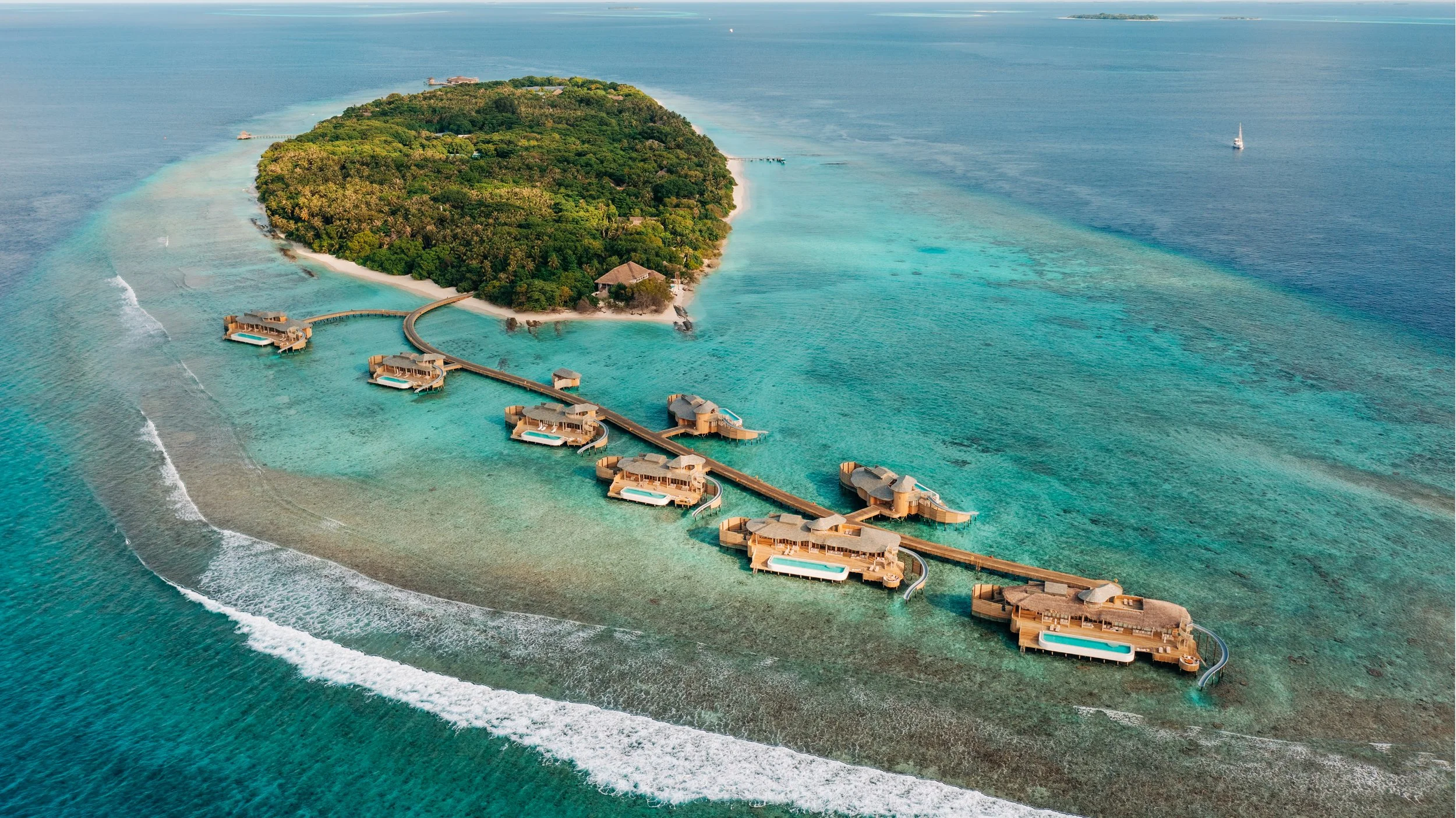
Peak: December through April (dry season, ideal weather, peak holiday demand layered on top).
Shoulder: April and November (the true transition months — prices drop 20-30% from peak).
Wet season / value window: May through October (resort rates can drop 40-50% from peak, with September pulling the deepest discounts at sometimes 60% below peak).
The Maldives is the destination where shoulder-season decision-making gets most interesting because the savings are enormous and the weather trade-off is real, but smaller than most people assume. You're betting against the monsoon. Most days in shoulder are still beautiful; the monsoon brings short, intense storms that pass quickly rather than gray weeks. But occasional 2-3 day stretches of rain do happen, and on a 7-day trip that's a meaningful percentage of your getaway.
The math.
A 7-night stay at the St. Regis Maldives Vommuli runs $20,000–$28,000 per couple in peak (overwater villa). The same property in April or November runs $14,000–$20,000. The September-window pricing can drop materially below that, though weather risk is highest.
Soneva Fushi sits at the bucket-list tier above St. Regis: $28,000–$45,000 per couple in peak; $18,000–$30,000 in shoulder. The Soneva experience is really a once-in-a-lifetime, barefoot luxury, sustainability-led, the kind of property that defines this category, and the shoulder math makes it accessible to couples who couldn't justify peak pricing.
For couples who want the Maldives experience but want it to feel financially possible, April and November are real options. November is the sweet spot as most weather risk has passed, prices haven't yet climbed to peak, and the resorts are gearing up for high season service.
What you give up. Weather certainty. If your dream is Pinterest-perfect blue every single day, peak season is the only safe bet. Some smaller water sports operators and excursions have reduced shoulder schedules.
What you keep. The resort experience, the food, the room product. A St. Regis or Soneva villa in shoulder is the same villa in peak but $5,000–$10,000 cheaper.
How to Actually Use This INFO
Three principles for putting this into practice:
01. Identify which destination weather variables you can tolerate, then shoulder-shop accordingly. A couple that needs 7 perfect beach days in a row should NOT shoulder-shop the Maldives. A couple that wants the experience of the Maldives and is okay with one or two non-beach days should absolutely consider April or November.
02. The flight savings are often bigger than the hotel savings, and most travelers underestimate this. Premium cabins to Europe in shoulder vs. peak can be a $4,000–$5,000 swing per couple. That alone offsets the cost of upgrading your hotel tier or adding a property.
03. "Shoulder" doesn't mean "settle." Late October Amalfi isn't a budget version of July Amalfi. It's a better version of July Amalfi that happens to cost less. ‘Shoulder’ doesn't mean 'settle.' Late October Amalfi isn't a budget version of July Amalfi — it's the version locals actually take. The price drops; the trip doesn't.
If you're trying to make a 2026 trip work and the cash math has been stressing you out, the conversation isn't "where can I afford to go." It's "when can I afford to go where I actually want to go." Different question. Better answer.
When to Bring in an Advisor
If you're trying to figure out which destination's shoulder season actually fits the trip you're trying to take, that's exactly the conversation I'd love to have. The Noir & Ivory design brief is a 21-question intake that takes about 10 minutes. It's where every trip I've ever planned has started.
Get started here.
Frequently Asked Questions
What is shoulder season for honeymoon and couples travel?
Shoulder season is the period between a destination's peak and off-peak seasons, typically when weather is still favorable but tourist volume and pricing have dropped. For most luxury honeymoon destinations, shoulder season delivers 25-40% savings on hotels and 15-30% savings on flights compared to peak season, while still offering most of what makes the destination worth visiting.
When is shoulder season for Bora Bora?
Bora Bora's shoulder season runs April through June, with late November also offering shoulder-season pricing. Peak season is July through October, when rates at properties like the Four Seasons Bora Bora climb to $13,000-$16,000 per couple for 7 nights. The same trip in May or early June typically runs $9,000-$11,500 for the same room category.
Is shoulder season in the Maldives worth the weather risk?
For couples who want the Maldives experience without peak-season pricing, May-June and September-November are real options, typically 35-40% cheaper than peak December-March pricing. The trade-off is occasional 2-3 day stretches of rain. Most days remain beautiful. Couples requiring guaranteed perfect weather every day should book peak season; couples flexible on one or two non-beach days will find the math compelling.
What's the best time to honeymoon in Italy without the summer crowds?
Late September through mid-October is the sweet spot for an Italian honeymoon, gentler heat than July and August, fewer crowds at major sites, harvest season for vineyards, and 30-35% lower hotel pricing. A 7-night Amalfi Coast honeymoon at Le Sirenuse runs $14,000-$20,000 in peak summer versus $9,500-$13,500 in late September.
Does shoulder season pricing apply to flights as well as hotels?
Yes, often more dramatically than hotels. Premium cabin transatlantic flights can swing $4,000-$5,000 per couple between shoulder and peak. A round-trip economy flight from the East Coast to Rome runs $700-$1,000 in shoulder months and $1,400-$2,000 in peak summer. Flight savings often exceed hotel savings, which most travelers underestimate when planning.
